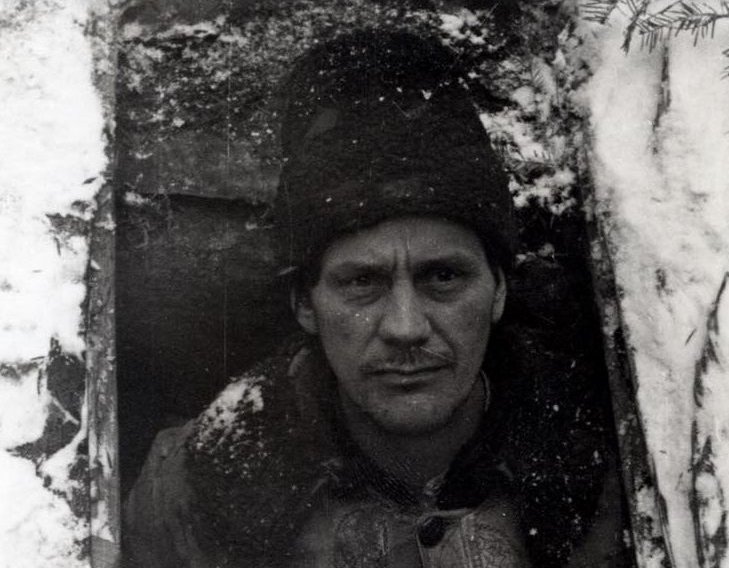
MOTRESCU VASILE – 1920 - 1958 – a hero peasant, a poet peasant, the only anti-communist fighter to keep a diary, the last free fighter of Bucovina. He never betrayed his fellow fighters and kept his dignity to his very last second.
For as long as he has lived, he has considered himself as the administrator of the will of Vaivode Ştefan cel Mare: «And if you shall fall to your enemy by shameful treason, then you’d rather die by your enemy’s sword than witness the oppression and fall of your own country, as the God of your forefathers will have mercy in the tears of His servants and will rise in revolt one of your kin to liberate your progenies to the freedom they once enjoyed. » These are the words by which I, fighter Vasile Motrescu, swear to uphold to my very last breath.
He was eventually betrayed and captured, and shot by the execution squad of the communist – Bolshevik secret police in Botoşani, on the 29th of July 1958.
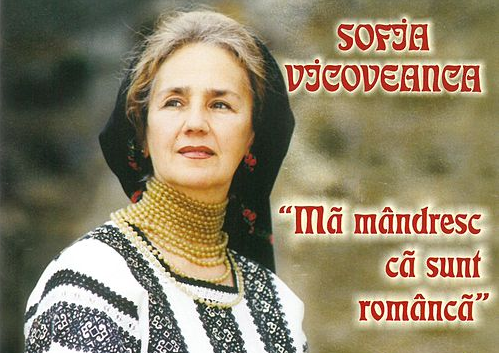 SOFIA VICOVEANCA – Our Lady of Bucovina Folk Song. With a career spanning more than 60 years, she has taken the name of her beloved village around the world.
Apart from the hundreds of folk songs (songs, doina, ballads, laments, curses, carols and winter customs, Easter songs), the artist also published four volumes of poems and prose – some of these being illustrated with pencil drawings, and she has also starred in Romanian movies, as she displayed real acting talent. She built an ethnography museum in her native Vicovu de Jos, with an exhibition of folk clothing and folk-art items. The inside of the museum is decorated with the usual items found in a peasant household: hope chest, dish cabinet, wall carpets, religious paintings, clothes, baby cradle, and her very own traditional folk costumes. She visits home (the ethnography museum) as often as she can.
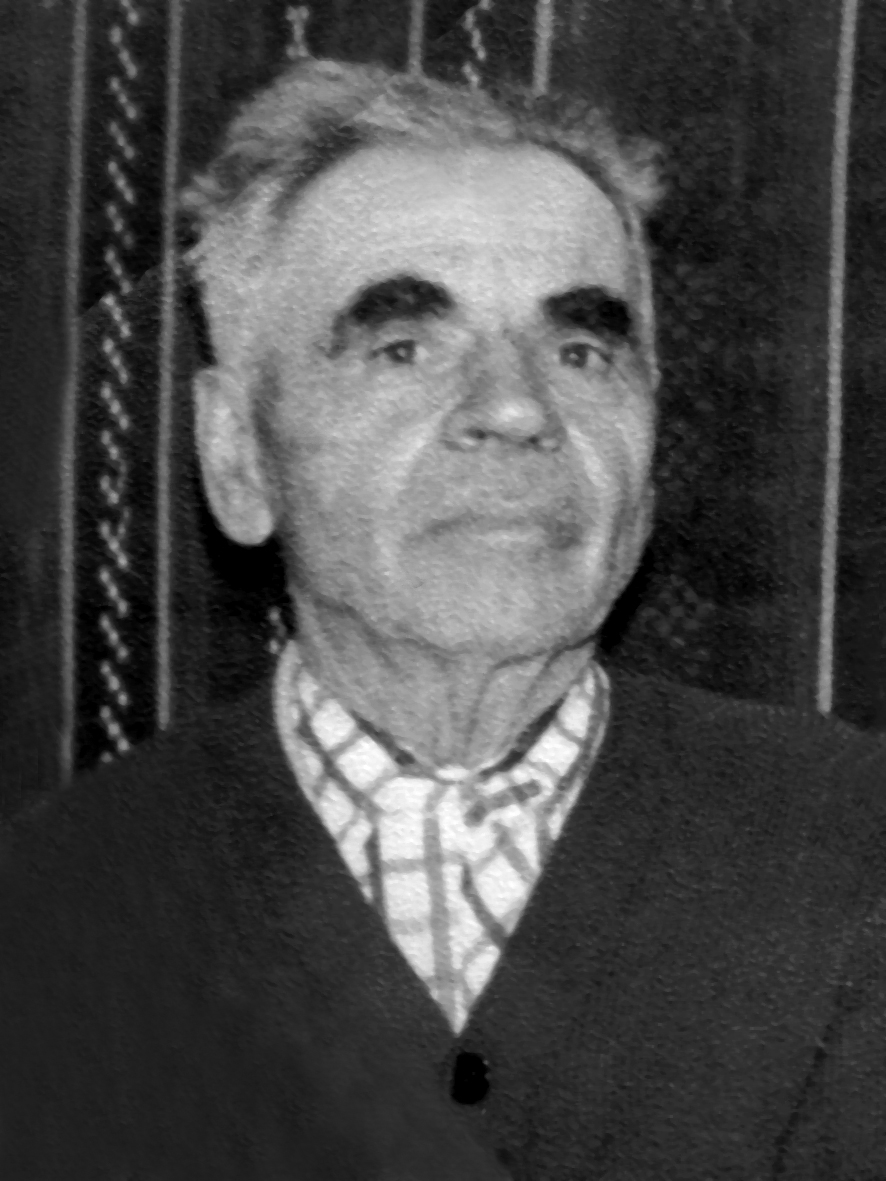
CARCIA TEODOR – 1905 - 2004 – a man of immense wisdom. He was the last mayor of Vicovu de Jos to stay true to his promises to the village and to his fellow villagers.
A self-taught scholar, he learned how to write, read, and count by himself. Out of respect for the King and the Monarchy, he sold his heifer so that he could attend the funeral of King Ferdinand 1st. Having been deported to the concentration camps in southern Ukraine, he passed on all offers to settle and work in the industrial and mining region of Donbass so that he could return to his native village and to his family, where he tried to share his experience and wisdom to his fellow people.